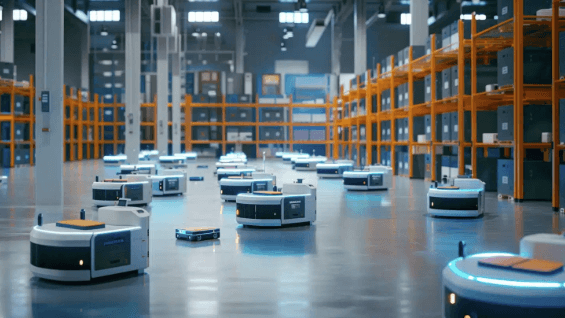
Automation in Logistics and Operations
Automation in logistics integrates planning, execution, and visibility through interoperable data. Core technologies enable real-time decision-making, predictive analytics, and end-to-end optimization. The approach emphasizes standardized workflows, governance, and playbooks to sustain resilience during disruption. Measurable ROI and KPI-driven improvements anchor progress, while scalable automation enhances service levels and throughput. As data-driven insights drive continuous refinement, organizations confront questions about implementation scope, governance, and the path to measurable value that remains to be clarified.
What Automation Means for Logistics Now
Automation is redefining logistics by shifting the emphasis from manual execution to integrated, data-driven processes. The analysis identifies automation adoption as a strategic lever that tightens coordination across planning, execution, and visibility.
Data interoperability enables seamless information exchange, reducing delays and variance.
Decisions become predictive, not reactive, empowering operators to optimize throughput, elevate service levels, and sustain autonomous improvements with measurable outcomes.
Core Technologies Transforming Operations
Core technologies underpinning modern operations include automation, advanced analytics, and real-time visibility tools that collectively enable end-to-end process optimization. The approach emphasizes measurable efficiency gains, standardized workflows, and data-driven decision-making. Robotic picking accelerates throughput with precision, while autonomous trucks optimize last-mile and intra-warehouse movement.
Together, these capabilities enable scalable, freedom-focused operational structures that adapt to variability and demand shifts.
Building a Resilient, End-to-End Automated Supply Chain
A resilient, end-to-end automated supply chain integrates real-time visibility, predictive analytics, and autonomous execution to maintain continuity amid demand volatility and disruption.
The approach emphasizes risk aware governance, formal change management, and standardized playbooks.
Data-driven, strategic decision cycles reduce latency, align suppliers, and reinforce end-to-end orchestration, ensuring resilient throughput while preserving freedom to adapt processes, roles, and technologies.
Measuring Impact: ROI, KPIs, and Best Practices
How can organizations quantify the value of automated logistics and operations, translating capability into measurable returns? The assessment fuses ROI benchmarks with disciplined KPI selection, anchoring decisions in traceable data. Standardized measurement protocols, ongoing benchmarking, and transparent reporting align investments with operating goals. Best practices for measurement emphasize governance, repeatable methods, and continuous refinement to sustain strategic freedom and competitive advantage.
Frequently Asked Questions
How Do Humans Collaborate With Automated Systems in Daily Workflows?
Collaboration dynamics emerge as humans choreograph human–machine tasks, balancing oversight with autonomy. System negotiation guides interface choices, data flows, and decision thresholds, enabling adaptive workflows. Decisions are evidence-based, process-oriented, and designed to maximize strategic freedom within constraints.
What Are Data Privacy Concerns With Automated Logistics?
Data privacy concerns arise from data collection across sensors and networks, potentially exposing suppliers and customers. Automation ethics demand transparency, minimization, and secure processing; risk assessments guide governance, ensuring freedom-loving stakeholders trust data handling and governance processes.
Which Industries Benefit Most From First-Mile Automation?
Industries benefiting from first mile automation include retail, manufacturing, and e-commerce, where efficiency gains enable human collaboration. Data-driven insights reveal hidden costs, while workforce upskilling and privacy considerations shape strategic deployment for freedom-focused operations.
See also: Automation in Household Technology
How Does Automation Affect Workforce Upskilling and Roles?
Automation affects workforce upskilling by shaping role evolution and expanding upskilling pathways; organizations quantify skill gaps, align training with processes, and monitor ROI, enabling strategic agility for a freedom-loving workforce while sustaining productivity and continuous improvement.
What Are the Hidden Costs of Implementing Automation Suites?
Hidden costs arise from integration, data cleansing, and change management, the implementation hidden costs often overlooked until rollout. The analysis shows coordination, vendor alignment, and scalability expenses shape ROI, guiding strategic, process-oriented decisions for freedom-seeking organizations.
Conclusion
Automation in logistics and operations yields tangible gains through interoperable data, real-time decision-making, and end-to-end orchestration. A data-driven, strategic framework aligns planning, execution, and visibility, turning variability into measurable improvements. KPIs, ROI, and standardized playbooks anchor governance while robotics and autonomous systems boost throughput and resilience. In this evolving landscape, continuous refinement acts as the engine; the supply chain becomes a living orchestra, where precision, speed, and adaptability harmonize to drive sustainable performance.