Automation in Household Technology
Automation in households coordinates devices to handle routine tasks with reliable, predictable flow. It emphasizes quiet efficiency, reducing constant attention while preserving user control through local capabilities and scalable integrations. A platform-neutral approach supports future-proofing, secure privacy, and cohesive operation across lighting, security, energy, and other components. As systems evolve, the challenge becomes balancing convenience with safeguards, inviting readers to consider how these choices shape daily life and long-term resilience.
What Automation in Homes Really Delivers for Daily Life
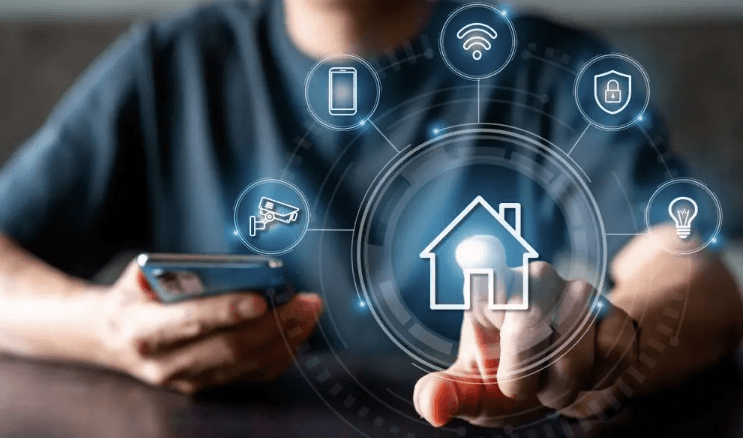
Automation in homes today delivers tangible convenience by coordinating devices to handle routine tasks.
The result is a streamlined flow where scheduling, sensing, and response reduce friction in daily life.
This orchestration emphasizes automation reliability, ensuring routines perform without interruption.
For users seeking freedom, the promise lies in predictable, quiet efficiency that enhances daily convenience without demanding constant attention.
How to Choose a Smart System That Fits Your Home
Choosing a smart system that fits a home begins with defining goals: what tasks should automation handle, what devices must remain controllable locally, and how the system will integrate with existing infrastructure.
The choice hinges on scalability, interoperability, and future-proofing, guided by compatibility charts and clear criteria.
Focus areas include smart lighting, security expectations, and platform neutrality to preserve freedom and adaptability.
Installing and Integrating Your Smart Devices Seamlessly
A practical approach to installing and integrating smart devices begins with laying a solid foundation: verify power sources, network bandwidth, and device compatibility before provisioning.
The process emphasizes orderly steps: assess home hardware quality, align standards, and plan a cohesive network setup that minimizes interference.
Clear documentation and consistent labeling enable resilient, scalable systems, fostering freedom through reliable, seamless, user-friendly integration.
Managing Privacy, Security, and Energy Use Over Time
Efficiently managing privacy, security, and energy use over time requires a disciplined, waves-to-data approach: continuous assessment of device permissions, threat exposure, and consumption patterns informs timely adjustments.
The analysis tracks privacy metrics, evolving security norms, and energy signatures, revealing vulnerabilities before they escalate.
Informed households modify configurations, adopt standard safeguards, and invest in transparent dashboards that sustain autonomy without compromising convenience.
Frequently Asked Questions
How Reliable Are Voice Assistants in Noisy Households?
Voice assistant reliability declines in noisy environments, though advances in beamforming and multimodal cues mitigate errors. In noisy households, performance varies by device, microphone array quality, and ambient sound patterns, yet meaningful, hands-free control remains partially dependable for core tasks.
Can Automation Override Manual Device Controls if Needed?
Automation override is possible, but manual control precedence can be preserved by safety priorities and user settings; devices may defer to manual input in emergencies, while automatic routines operate within defined boundaries, ensuring reliable, transparent control for freedom-minded users.
See also: macrowebtech
Do Smart Devices Require a Constant Internet Connection?
Smart devices typically require internet dependence for full functionality, but some operations function locally; reliability can waver in loud environments, affecting voice assistant performance, while independent controls preserve autonomy when connectivity is limited or unavailable.
What Are the Upfront Costs Beyond Product Prices?
A homeowner recalls a warning: “digging into a smart system costs more than tags.” Upfront installation and networking setup comprise services, hubs, and permits, adding costs beyond product prices by coordinating professionals and securing reliable, scalable connectivity.
How Do Automations Impact Home Insurance Coverage?
Automation impacts home insurance coverage through revealed risk patterns and premium adjustments; insurers consider wiring, device vulnerabilities, and monitoring reliability. Overall, the insurance implications favor risk mitigation strategies that support lower claims, enhanced documentation, and proactive safety maintenance for homeowners seeking freedom.
Conclusion
Automation in household technology delivers reliability, predictability, and quiet efficiency that free residents to focus on meaningful tasks. A platform-neutral approach ensures future-proofing and cohesive operation across lighting, security, energy, and other components. By integrating sensing, scheduling, and responsive actions, it reduces constant attention while preserving local control and secure privacy. In the end, smart homes become trusted partners—ever-present, unobtrusive, and thoughtfully aligned with daily life—like a steady, unseen conductor guiding everyday rhythms.